

How to Choose the Right Truck for Industrial Transport Applications
Introduction
A Truck plays a critical role in industrial transport systems. It moves raw materials, semi-finished goods, and finished products across short and long distances. The right Truck improves efficiency, reduces downtime, and controls operating cost. The wrong choice leads to overload, frequent breakdown, and high fuel consumption.
Industrial applications differ from standard logistics. They require higher durability, stable performance under heavy load, and adaptation to complex environments. A construction site demands strong torque and off-road capability. A manufacturing plant requires stable and frequent short-distance transport. A logistics hub focuses on fuel efficiency and speed.
Choosing the right Truck requires a structured evaluation. Load type, operating environment, performance parameters, and total cost must all be considered. This article explains how to make a logical and practical selection.
Define Transport Requirements Clearly
Load Type and Characteristics
The first step is to define what the Truck will carry. Different cargo types require different Truck structures.
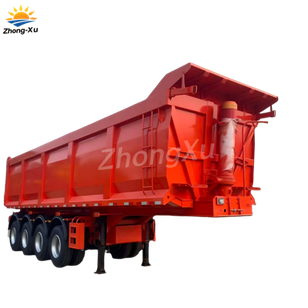
Bulk materials such as sand, gravel, or coal require dump trucks. Liquid materials such as fuel or chemicals require tanker trucks with sealed structures. Palletized goods require flatbed or box trucks. Fragile or temperature-sensitive goods require refrigerated trucks.
Weight and volume must be calculated precisely. For example, a Truck designed for 10 tons should not be used for 12 tons. Overloading reduces service life and increases safety risk. Density also matters. Heavy and compact materials require stronger chassis and suspension systems.
Transport Distance and Frequency
Transport distance determines the type of Truck needed. Short-distance operations within factories require compact trucks with high maneuverability. Long-distance transport requires trucks with better fuel efficiency and driver comfort.
Frequency also affects selection. A Truck operating 8–10 hours per day requires higher durability than one used occasionally. High-frequency use demands strong engines, stable transmission systems, and reliable braking systems.
Industry-Specific Needs
Each industry has unique requirements. Construction trucks need high ground clearance and strong torque. Mining trucks require reinforced frames and heavy-duty tires. Logistics trucks focus on speed and fuel efficiency.
Regulations must also be considered. Some industries require compliance with emission standards, load limits, and safety certifications. Choosing a compliant Truck avoids legal risk and operational delays.
Evaluate Truck Performance Parameters
Load Capacity and Axle Configuration
Load capacity is the core parameter of any Truck. It includes Gross Vehicle Weight (GVW) and payload capacity. The selected Truck must match the actual load demand without exceeding limits.
Axle configuration directly affects load capacity and stability. A 4×2 Truck suits light-duty transport. A 6×4 Truck supports medium to heavy loads. An 8×4 Truck is suitable for heavy-duty industrial applications.
More axles increase load capacity but also increase fuel consumption and cost. The selection must balance capacity and efficiency.
Engine Power and Torque
Engine performance determines whether the Truck can handle heavy loads efficiently. Horsepower defines speed capability, while torque defines pulling power.
Industrial transport often requires high torque at low speed. For example, a Truck operating in a construction site must move heavy materials on uneven ground. A high-torque engine ensures smooth operation without excessive fuel consumption.
Engine displacement and power output must match the application. Undersized engines lead to overload and wear. Oversized engines increase fuel cost without clear benefit.
Fuel Efficiency and Energy Type
Fuel cost is a major part of operating cost. Diesel trucks remain the main choice due to strong power and wide availability. However, electric and hybrid trucks are gaining attention in urban and short-distance applications.
Fuel consumption is usually measured in liters per 100 km. A small difference in consumption can lead to significant cost changes over time. For example, a Truck consuming 28 L/100 km instead of 32 L/100 km saves large amounts over long distances.
Electric trucks reduce emissions and noise. They suit urban environments with strict regulations. However, battery capacity and charging infrastructure must be considered.
Consider Operating Environment
Road and Terrain Conditions
The working environment directly affects Truck selection. Smooth highways require different configurations compared to rough terrain.
Urban roads require compact size and good maneuverability. Highways require stable speed and fuel efficiency. Off-road conditions require high ground clearance, strong suspension, and durable tires.
For example, a mining Truck must handle uneven surfaces, sharp rocks, and steep slopes. It requires reinforced chassis and heavy-duty suspension systems.
Climate and Working Conditions
Climate affects Truck performance and durability. High temperatures require efficient cooling systems. Cold environments require reliable starting systems and anti-freeze measures.
Humidity and corrosive environments demand corrosion-resistant materials. Coastal or chemical plants require special coatings to prevent rust and damage.
Dust and dirt also affect performance. Industrial sites often generate dust, which can damage engines and filters. Proper sealing and filtration systems are essential.
Safety and Compliance Requirements
Safety is critical in industrial transport. Modern trucks include advanced braking systems such as ABS (Anti-lock Braking System) and EBS (Electronic Braking System). These systems improve control and reduce accident risk.
Driver assistance systems such as lane warning and stability control improve safety during long operations. Lighting systems and visibility also play a key role.
Compliance with safety standards ensures legal operation. It also reduces insurance cost and improves reliability.
Analyze Cost and Maintenance Factors
Initial Purchase Cost
The purchase price of a Truck varies based on configuration, brand, and technology. A low-cost Truck may seem attractive, but it often lacks durability and performance.
A higher initial investment can provide better reliability and lower long-term cost. The selection should focus on value rather than price alone.
Maintenance and Service Life
Maintenance cost depends on design quality and usage conditions. A Truck with simple structure and widely available parts reduces maintenance time and cost.
Service intervals must be considered. Frequent maintenance increases downtime. A reliable Truck should support long service intervals and stable performance.
Service life is another key factor. Industrial trucks often operate under heavy load. A durable Truck can operate for 8–10 years or more with proper maintenance.
Total Cost of Ownership (TCO)
Total Cost of Ownership includes purchase cost, fuel cost, maintenance cost, insurance, and depreciation. It provides a complete picture of long-term investment.
For example, a Truck with lower fuel consumption and longer service life may cost more initially but offers better return over time. Cost per kilometer is a useful metric for comparison.
A logical TCO analysis ensures the selected Truck delivers real economic value.
Assess Customization and Supplier Support
Customization Options
Industrial applications often require customized Truck designs. Common configurations include flatbed trucks, dump trucks, tanker trucks, and refrigerated trucks.
Customization improves efficiency. For example, a dump Truck with hydraulic lifting system reduces unloading time. A refrigerated Truck maintains product quality during transport.
Modular design allows flexibility. It enables the Truck to adapt to different tasks and improve utilization.
After-Sales Service
After-sales service directly affects operation continuity. A strong service network ensures quick maintenance and repair.
Spare parts availability is critical. Delays in parts supply can stop operations. Reliable suppliers provide fast support and technical guidance.
Warranty terms also reflect product quality. A longer warranty indicates confidence in durability and performance.
Supplier Reputation and Reliability
Supplier experience plays a key role in Truck selection. Established manufacturers provide proven designs and stable quality.
Customer feedback and case studies offer practical insights. They show how the Truck performs in real industrial environments.
A reliable supplier ensures consistent quality, technical support, and long-term cooperation.
Conclusion
Choosing the right Truck for industrial transport applications requires a systematic approach. Load characteristics, transport distance, and industry requirements define the basic needs. Performance parameters such as load capacity, engine power, and fuel efficiency determine operational capability.
Operating environment adds another layer of complexity. Road conditions, climate, and safety requirements must be matched with suitable Truck configurations. Cost analysis ensures the selection delivers long-term value rather than short-term savings.
Customization and supplier support further improve efficiency and reliability. A well-selected Truck reduces downtime, lowers operating cost, and improves productivity.
In industrial transport, the Truck is not just a vehicle. It is a core asset that supports the entire operation. A careful and logical selection ensures stable performance, cost control, and sustainable growth.